Basement Waterproofing in Grand Rapids, MI
Water in a basement in Grand Rapids, MI usually has a traceable source: groundwater pressing on an older wall, a downspout emptying beside the foundation, or a sewer line pushing back. Fill in the short form to be put in touch with one independent local contractor, who reaches out, visits and writes the estimate.
Not sure if we cover your area? Check now ↓
Basement Estimate Request
Takes about 30 seconds. One local contractor gets it and contacts you.
Your details go to one independent contractor who works around Grand Rapids, MI, and that contractor gets in touch with you directly. See our Referral Marketing Disclosure.
Planning Basement Waterproofing in Grand Rapids, MI
Over a third of the City's houses date from before 1940, and the typical one from about 1953 (Census survey data). Older stone, brick and block foundations can admit water at mortar joints, cracks and the seam at the floor.
Basement Waterproofing Grand Rapids MI is a free referral service, not a waterproofing company, and has no Michigan builder or contractor license of any kind. So it never offers, prices or agrees to basement work, signs nothing and stays out of insurance. Your request goes to a single independent contractor. Contractors may pay this site a flat advertising fee (a free trial for now); asking never costs you a cent, and no perk comes with it.
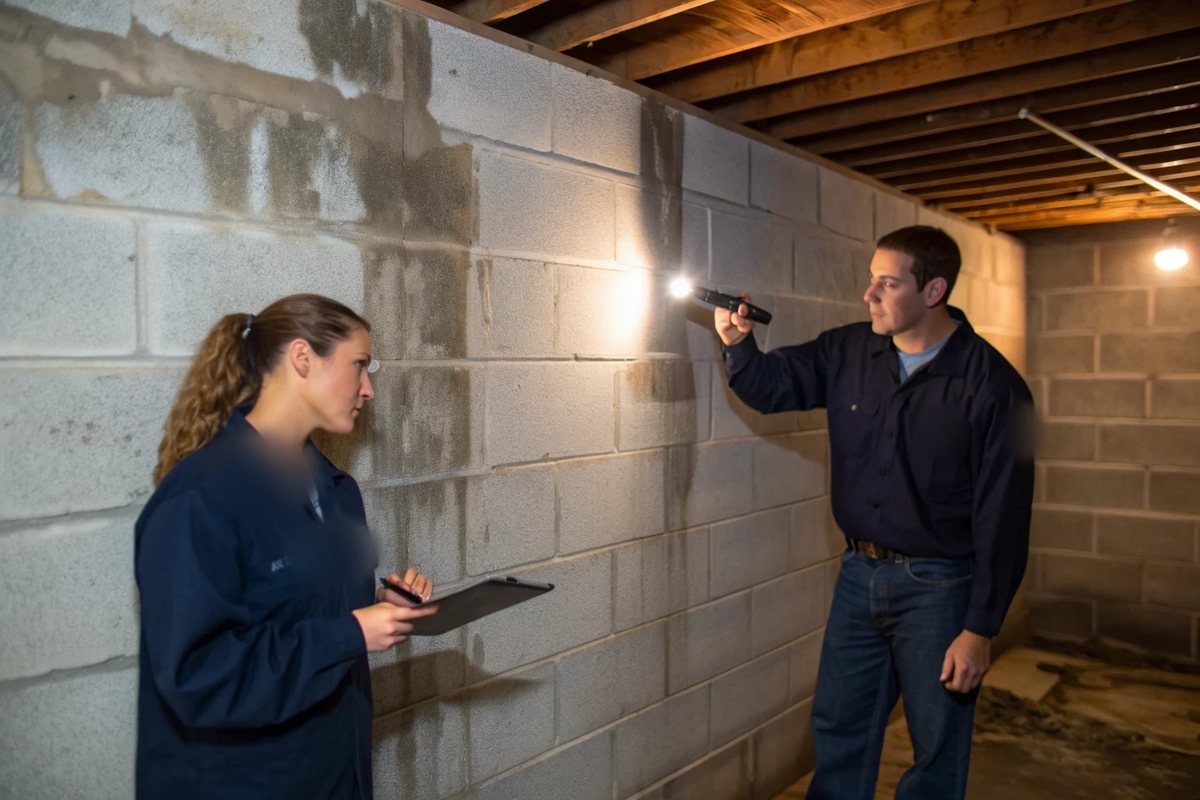
Three Steps to a Written Estimate
- Describe the water. Use the form to share your address and where dampness shows up.
- One contractor hears about it. A single independent company working around Kent County gets your request and contacts you about a visit.
- Read the estimate, then decide. The contractor looks at walls, floor, gutters and grading and puts a price in writing. Sign only when you're comfortable.
From Cracks to Sump Pumps
Basement Red Flags to Watch
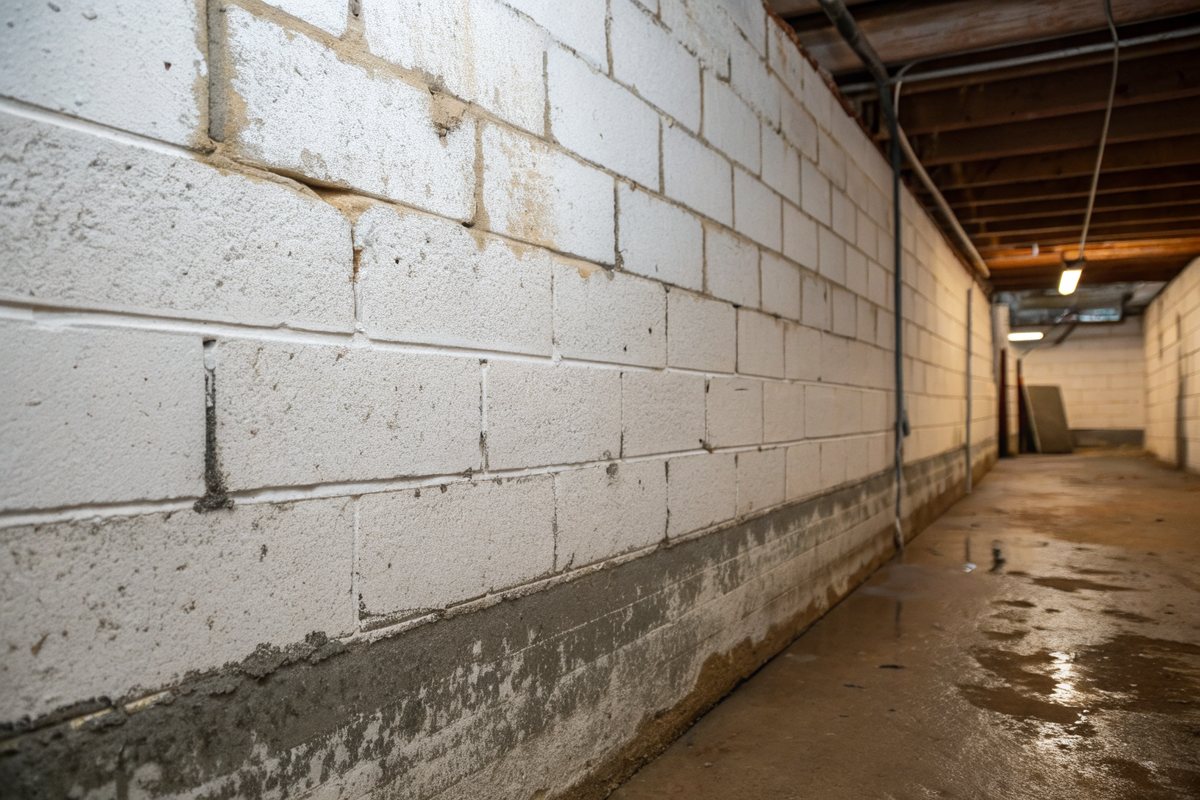
- A damp line along the floor edge. Water where wall meets slab after a soaking rain usually means groundwater pressure at the footing.
- Cracks that darken when it rains. A horizontal crack, or a wall leaning into the room, is worth having looked at soon.
- A sump that never rests, or never starts. Constant cycling, or silence above a full pit, deserves attention.
- Water rising out of a floor drain. That suggests a sewer backup, not seepage; see the water section below.
Sort Out Where the Water Comes From
Unsure which fits? The wet basement checker asks five short questions and suggests a next step.
When Water Tables Rise
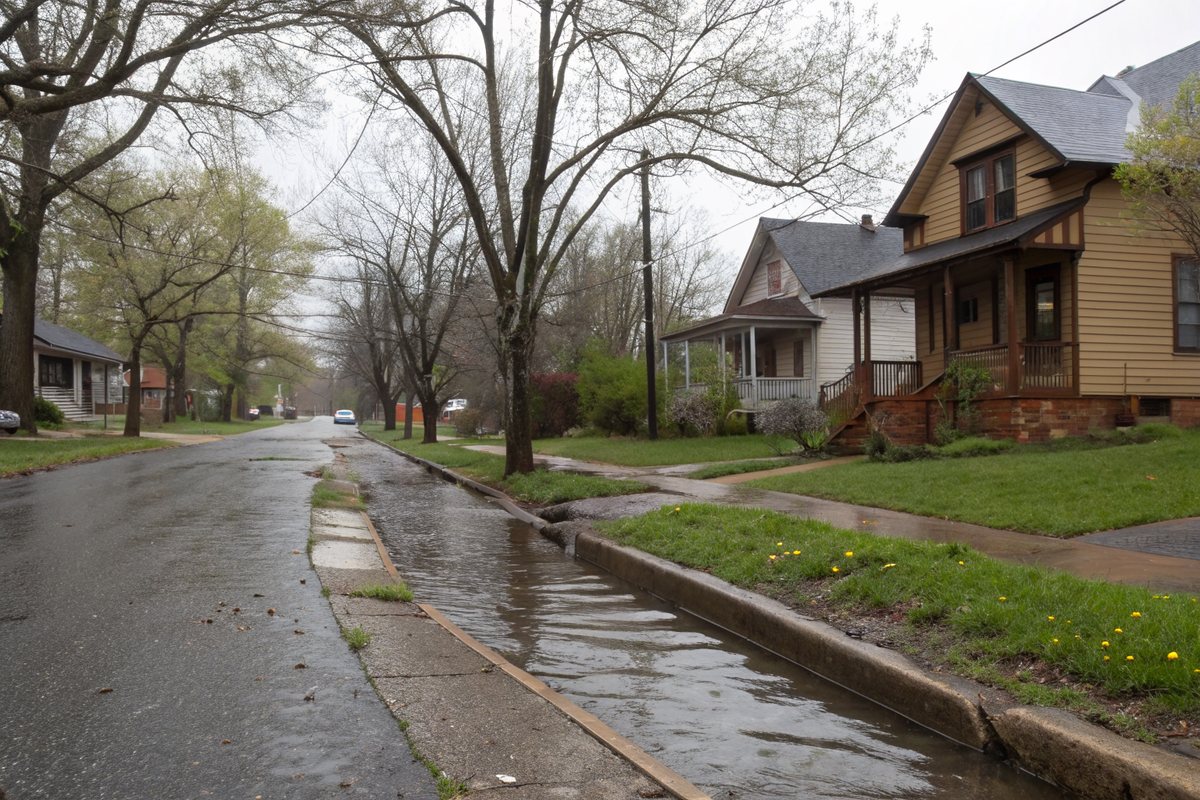
Spring rain, snowmelt and midwinter thaws all reach local foundations. After 9.84 inches of rain fell over April 6 to 19, 2013 (WOOD-TV), the river set a record of about 21.85 feet downtown on April 21, well over its 18-foot flood stage, and many homes had basement flooding (CBS Detroit, citing the National Weather Service). The area rests on glacial deposits, and the sands and gravels along the rivers hold the most groundwater (USGS, 1954).
A floor drain backing up is a sewer question. The City finished its $400 million sewer separation in 2015, but the lateral from house to main is the owner's. Inside the City, dial 311 (from outside the City, 616-456-3000) to report one, and ask the City about its own footing-drain and backwater-valve programs, which use contractors it chooses. Backwater valves and sewer tie-ins are work for a licensed plumbing contractor with a permit.
Typical Price Ranges
With no Grand Rapids or Michigan source available, these are Fixr's 2026 national figures.
| Cost row | Figure | Source (year) |
|---|---|---|
| Typical basement waterproofing project | about $3,000 to $10,000 (average about $5,000) | Fixr national (2026) |
| Interior perimeter drain, per linear foot | $40 to $120 | Fixr national (2026) |
| Sump pump installation | $600 to $2,500 | Fixr national (2026) |
| Epoxy crack injection, per crack | $250 to $1,000 | Fixr national (2026) |
| Waterproof paint or sealant, per sq ft | $1 to $8 | Fixr national (2026) |
Backwater valves, footing-drain disconnections and laterals are plumbing jobs, priced by a licensed plumbing contractor. See the cost guide, or try the calculator below.
What You Get by Asking Here
- One conversation instead of several. A single contractor gets your request, not a pile of competing pitches.
- Room to pay in stages. LARA advises against handing over the full price up front; tie payments to progress on the job.
- Checks that stay in your hands. This site vouches for nobody, so the license lookup, insurance certificates and references are yours to review.
Areas Covered Near Grand Rapids
Besides the City itself, five neighboring communities have their own pages: East Grand Rapids, MI to the east, Grand Rapids Township, MI to the northeast, Kentwood, MI to the south, Grandville, MI to the southwest and Jenison, MI to the west, in Ottawa County's Georgetown Charter Township.
Older Homes, Newer Subdivisions
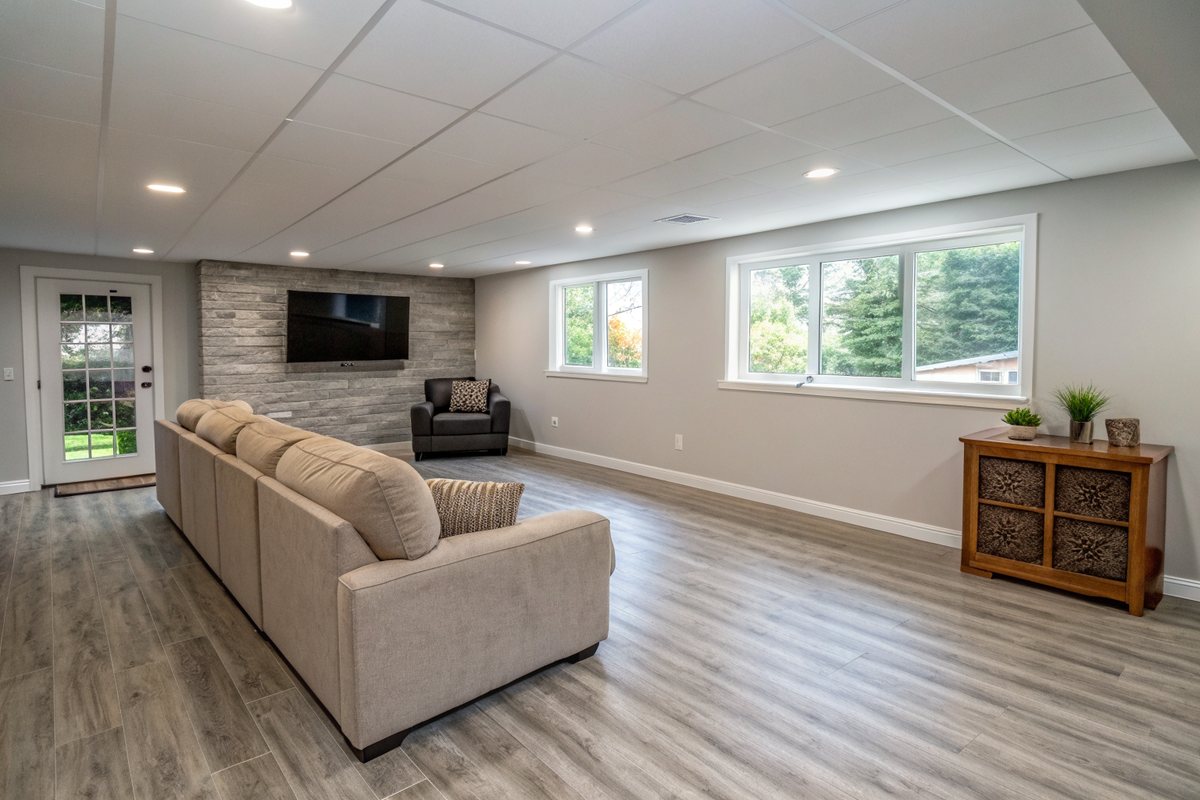
Heritage Hill, on the National Register since 1971, packs about 1,300 homes from the 1840s into the early 20th century into roughly a square mile, in more than 60 architectural styles (APA). In the suburbs, 1960s–1980s block and poured basements with aging drain tile and sump systems are more typical.
Answers Before You Call
Worth knowing before you talk with a contractor or a public office.
Will this site send someone to my house?
No. Once your request is passed along, this site steps aside. The independent contractor who receives it visits, writes the estimate and does any work you agree to.
Who do I contact if water came up through a floor drain?
Inside the City of Grand Rapids, dial 311 (616-456-3000 from elsewhere); the City notes that time of day and workload affect response. In East Grand Rapids, Kentwood, Grandville, Grand Rapids Township or Jenison, contact that community's own sewer office.
Is a wet basement covered by insurance?
It depends on the policy. Backup coverage often comes only as an add-on endorsement, and many policies exclude seepage; the City strongly urges residents to carry backup coverage. Read your own policy and ask your insurer or agent.
How can I look up a Michigan contractor license?
Ask for the number (10 digits, the Attorney General says) and enter it in LARA's online license verification at michigan.gov/lara; "waterproofing a basement" is a trade a license can list. LARA treats a contractor who can't produce a number as a red flag.
Does basement work in Grand Rapids need a permit?
Often. Inside the City, digging, foundation and structural repairs generally need a building permit, while plumbing or sewer work takes its own permit, pulled by a licensed plumbing contractor. The contractor confirms details with the Development Center (616-456-4100); each suburb has its own office.
Next Step: A Local Estimate
Fill in the form whenever it suits you. One independent contractor will be in touch about a visit, and the written estimate that follows is yours to accept or set aside.